Guide · 7 min read
How Deep Can a Gold Detector Detect? Real Depths Explained
A normal handheld detector with a 9–11 inch coil finds a coin-sized target at roughly 15–30 cm (6–12 inches) in average ground. Small gold nuggets are found shallower, and large metal objects can be found deeper. Garrett puts the typical range of metal detectors at about 10–16 inches (25–40 cm).
How does a gold detector work?
The search coil sends a changing magnetic field into the ground. When that field reaches a piece of metal, it creates tiny electric currents in the metal (eddy currents). Those currents make their own small magnetic field, which the coil picks up. The detector turns that signal into a sound and, on most models, a target ID number.
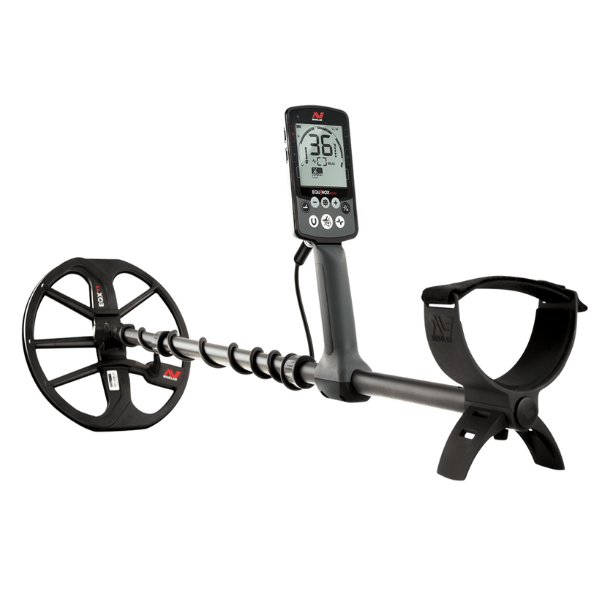
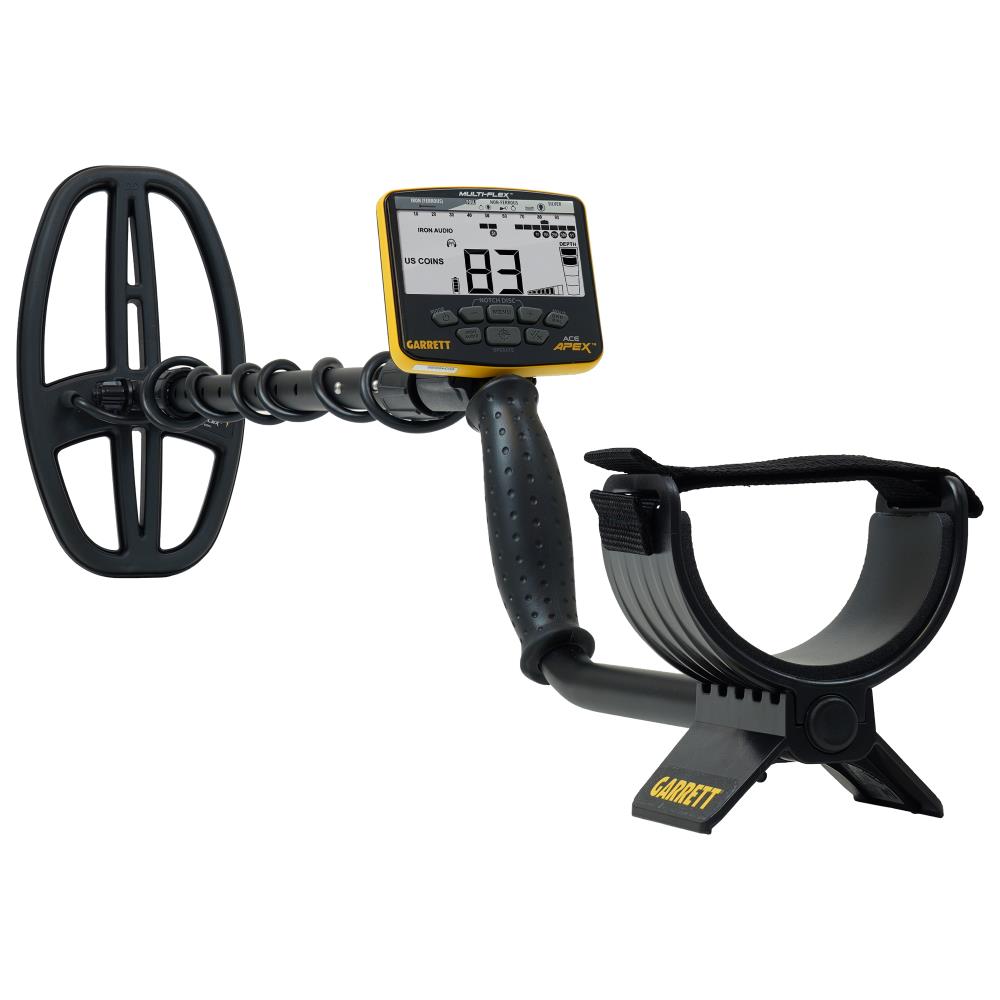
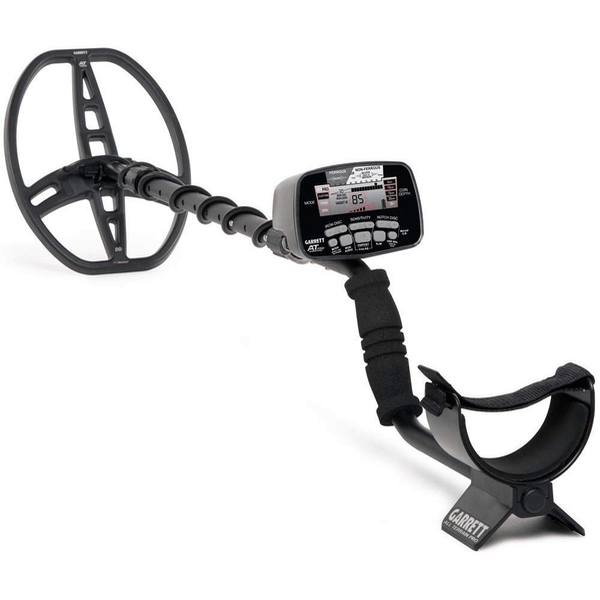
- VLF detectors (most detectors, including Garrett ACE, Fisher F-series and Minelab Vanquish) can tell different metals apart, so you can ignore iron junk.
- Frequency matters. Higher frequencies are more sensitive to small, low-conductive targets like fine gold; that is why the Fisher F19 runs at 19 kHz. Lower frequencies go further on large, highly conductive targets like silver and copper.
- Multi-frequency detectors (Minelab Multi-IQ, Garrett Multi-Flex, Nokta Legend) run several frequencies at once, so one machine handles both.
Realistic depths by target
These are rough guides for a standard handheld detector in average soil. Real results can be better or worse depending on the factors below.
| Target | Typical depth | Notes |
|---|---|---|
| Small gold nugget | A few cm to about 15 cm | Needs a gold-tuned or multi-frequency detector; less depth in mineralised ground |
| Coin or ring | About 15–30 cm (6–12 in) | Rule of thumb: roughly up to the coil diameter in good conditions |
| Larger metal object (pot, box, tool) | Deeper, often 50 cm or more | Bigger targets give stronger signals; use all-metal mode |
| Pinpointer | A few centimetres | Used inside the hole to find the exact spot, not for searching |
Garrett gives a simple example of the coil-size rule: a 4-inch coil might find a coin at about 4 inches, while a 12-inch coil could find the same coin at about 12 inches.
What decides how deep a detector can go
- Size of the target. This matters most. A large object is found much deeper than a small coin with the same detector.
- Coil size. Bigger coils send the field deeper and cover more ground, but are less sensitive to very small targets.
- Ground mineralisation. Mineralised soil (common in hilly, rocky and riverbed areas of Pakistan) reduces depth. Ground balancing helps.
- Frequency. High frequency for small gold, low frequency for large conductive targets.
- Settings and interference. Very high sensitivity near power lines, phone towers or other detectors causes noise, which hides deep, faint signals.
Deep search, 3D and long range detectors
If you are looking for large targets or cavities well below normal detector depth, you need a different class of machine.
- Ground imaging detectors such as the Nokta Invenio Pro and Makro Jeohunter 3D are built for large, deep targets and voids. They show the target on screen so you can judge size and shape before digging. They do not find coins or small gold at great depth.
- Long range locators such as the WF 101 III and Titan GER 1000 are sold for scanning large areas. Their range figures (for example "up to 1000 m" for the Titan GER 1000) are manufacturer ratings for search distance across the ground. They are not measured the same way as a handheld detector's depth, so do not compare the two numbers directly.
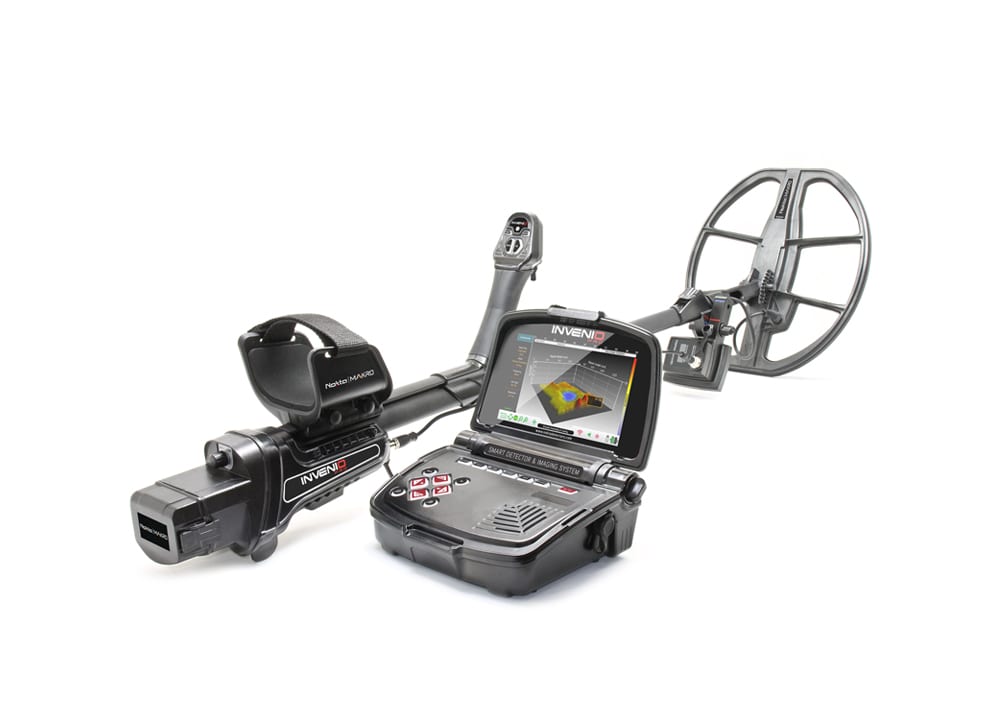
Nokta Invenio Pro 3D imaging detector for deep treasure and cavity search. 100% original, available in Lahore, Islamabad and Karachi with warranty.
Rs. 2,680,000
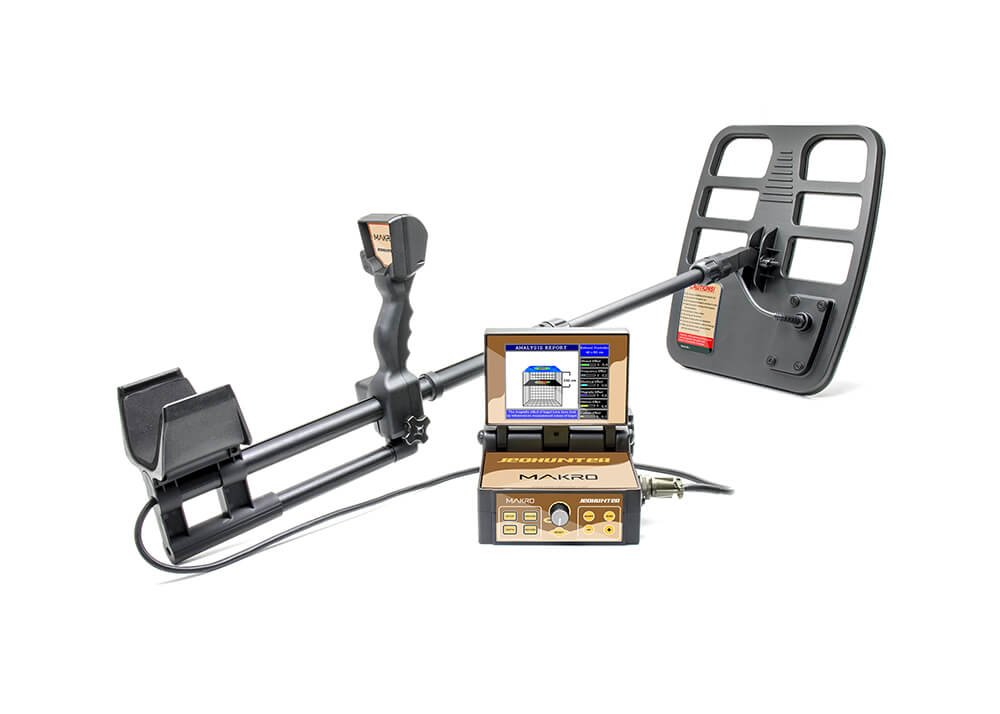
Makro Jeohunter 3D Dual System ground imaging detector for deep treasure and cavities. Original with warranty in Lahore.
Rs. 1,345,000
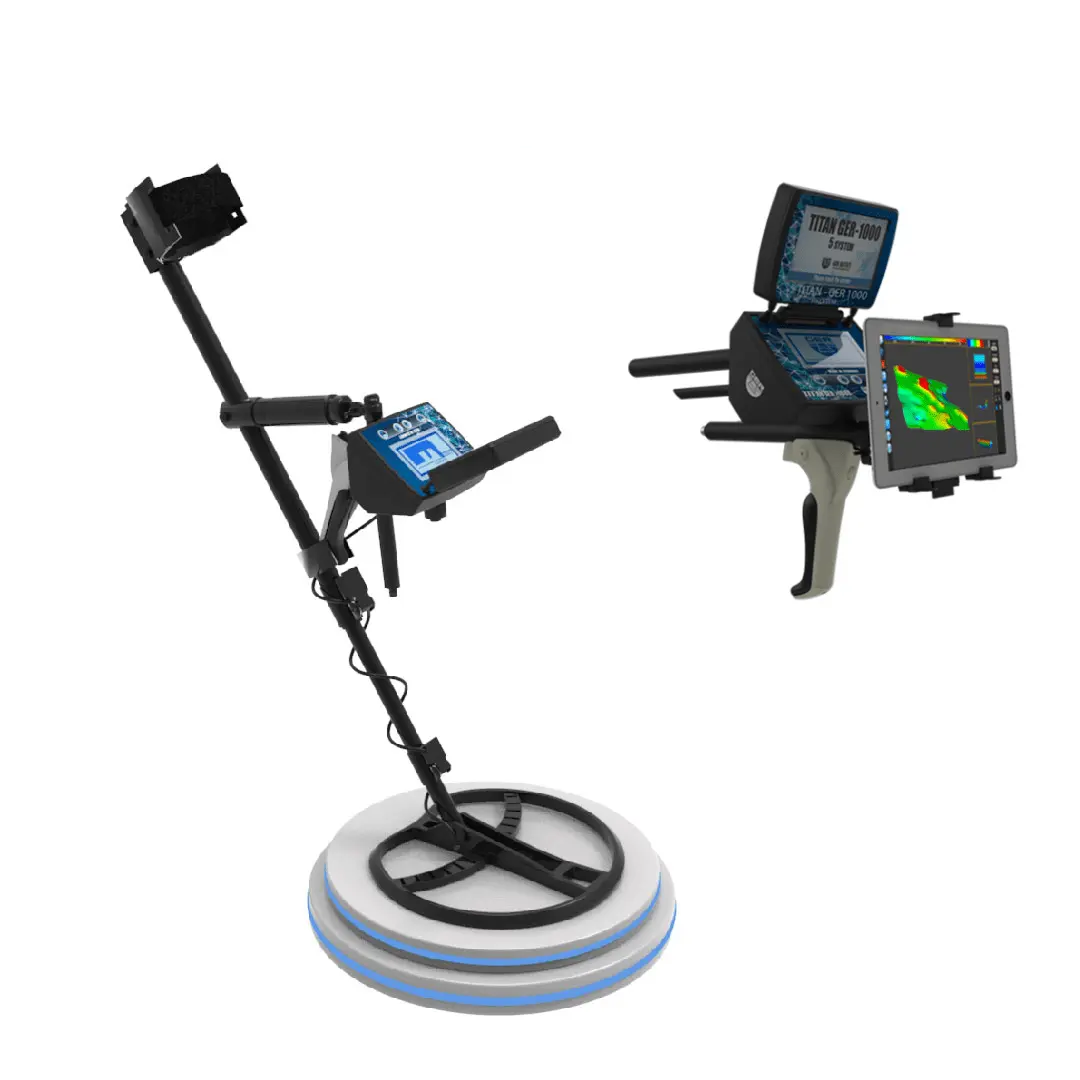
Titan GER 1000 Iconic long range field search system for gold and treasure exploration. Available in Lahore, Islamabad and Karachi. Price on WhatsApp.
Ask price on WhatsApp
How to get more depth from your detector
- Ground balance the detector at the start of every hunt and when the soil changes.
- Use all-metal (or zero discrimination) mode when you are after depth rather than target ID.
- Keep the coil low and parallel to the ground, and sweep slowly with overlapping passes.
- Lower the sensitivity a little near power lines so faint deep signals are not buried in noise.
- Use headphones. Deep targets give quiet, short signals that are easy to miss on a speaker.
- For larger targets, fit a bigger coil if your model supports one.
Frequently asked questions
How deep can a metal detector detect gold?
A standard handheld detector finds a gold ring or coin at roughly 15–30 cm in average ground. Small natural gold nuggets are usually found within about 15 cm, and only with a gold-tuned or multi-frequency detector.
Can a detector find gold 10 feet (3 metres) deep?
Not a normal handheld detector. Only large targets can be found at that kind of depth, using specialised deep search or ground imaging systems. Small gold objects cannot be detected metres below the surface.
Does a bigger coil go deeper?
Yes, for medium and large targets a bigger coil goes deeper and covers more ground. It is less sensitive to very small targets such as tiny gold nuggets.
How does a gold detector work?
The coil sends a magnetic field into the ground. Metal inside that field produces a small signal back, which the detector turns into a tone and a target ID. Gold detectors use higher or multiple frequencies to pick up small gold.